
Learn how journal indexing platforms work and compare Scopus vs. Afropus to understand which platform can improve research visibility and discoverability.
TL;DR
- Journal indexing platforms help academic journals improve visibility, accessibility, and research discovery.
- Scopus provides global indexing, citation tracking, and research analytics for academic publications worldwide.
- Afropus focuses on improving the visibility and accessibility of African scholarly research.
- The right indexing platform depends on a journal’s goals, target audience, and long-term publishing strategy.
- Afropus provides a dedicated pathway for showcasing African research and connecting scholarly work with relevant audiences.
Academic publishing is not only about producing quality research.
For journals and researchers, ensuring that published work can be discovered by the right audience is equally important. Journal indexing platforms help organise academic content and make research easier to find, access, and evaluate.
Scopus is one of the most recognised global indexing platforms, providing researchers and institutions with tools for discovering publications and tracking citations. However, many African journals continue to face challenges with research visibility and representation within global academic systems.
Afropus is built to support African scholarly visibility by providing a dedicated platform for indexing and discovering African research publications.
This guide explores the differences between Scopus and Afropus to help journals and researchers understand which journal indexing platform aligns with their objectives.
Table of Contents
What Is a Journal Indexing Platform?
A journal indexing platform is a database or system that collects, organises, and displays academic publications to make them easier for researchers, institutions, and scholars to discover.
These platforms create structured records of journals, articles, authors, and research topics.
For academic journals, being included in an indexing platform improves discoverability and helps published research reach a wider audience.
It also allows researchers to find relevant studies more efficiently when conducting literature reviews or exploring new areas of knowledge.
How Journal Indexing Platforms Improve Research Discovery
Journal indexing platforms support research discovery by:
- Making academic articles easier to find through structured databases.
- Connecting researchers with relevant studies and publications.
- Increasing the visibility of journals and their published content.
- Helping institutions and scholars track research developments.
Why Journal Indexing Matters for Academic Journals
Indexing plays an important role in the growth and credibility of academic journals. A well-indexed journal can benefit from:
- Greater visibility among researchers and academic communities.
- Increased opportunities for citations and collaboration.
- Improved accessibility for readers searching for relevant research.
- Stronger recognition within its research field.
For African journals, specialised indexing platforms like Afropus provide an opportunity to improve the discoverability of locally relevant research and ensure African scholarship reaches the audiences that need it most.
What Is Scopus?
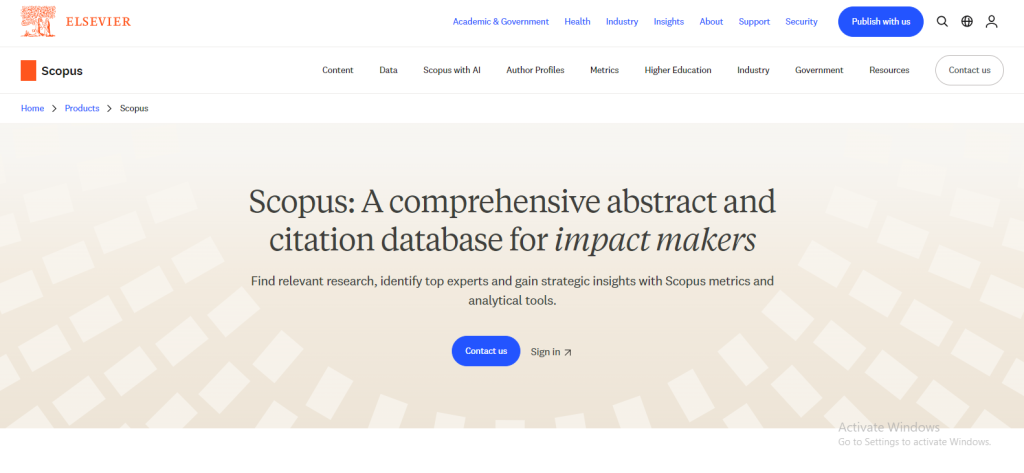
Scopus is a global abstract and citation database that indexes academic literature from journals, conference proceedings, and other scholarly publications.
It helps researchers, institutions, and publishers discover academic content while providing tools for tracking citations, analysing research performance, and measuring scholarly impact.
Used by universities, researchers, and academic organisations worldwide, Scopus provides a structured system for finding and evaluating research across multiple disciplines.
Key Features of Scopus
Scopus provides several features that support academic research and publishing, including:
- Global research coverage: Indexes scholarly publications from different countries and disciplines.
- Citation tracking: Allows researchers to monitor how often publications are cited.
- Author and institutional profiles: Helps track research contributions and affiliations.
- Research analytics: Provides insights into publication trends and research performance.
- Journal evaluation tools: Supports analysis of journals based on various research metrics.
Benefits of Scopus for Academic Journals
Being indexed in Scopus can provide academic journals with several benefits, including:
- Increased visibility among international researchers.
- Greater opportunities for research discovery and citations.
- Improved recognition among academic institutions.
- Access to research analytics that help measure journal performance.
- Stronger positioning within global scholarly publishing networks.
Challenges of Scopus Indexing
While Scopus offers global visibility, journals may face challenges when pursuing inclusion, such as:
- A competitive evaluation and selection process.
- Strict publishing quality requirements.
- The need for consistent editorial standards and publication practices.
- Limited representation of some regional research areas.
These challenges highlight the importance of having indexing platforms that also support research communities with unique regional needs.
What Is Afropus?
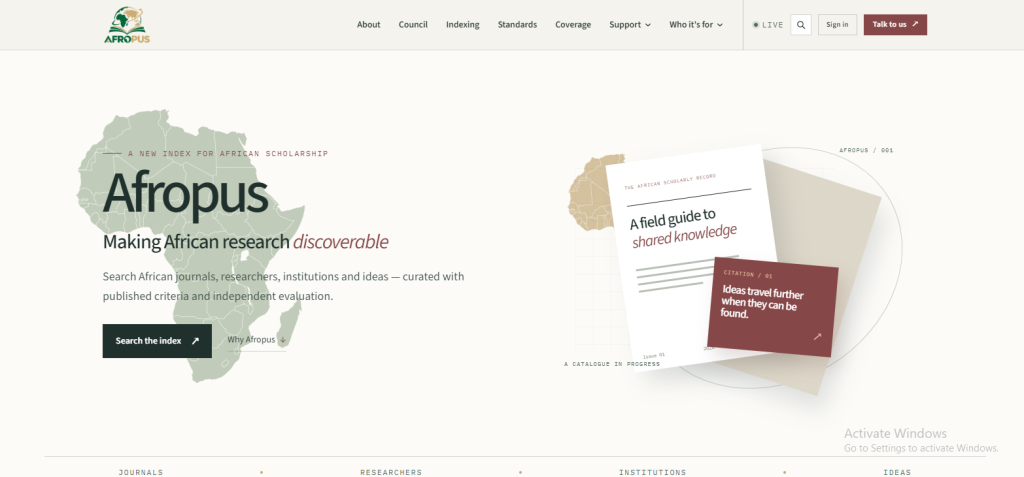
Afropus is a journal indexing platform designed to improve the visibility, accessibility, and discoverability of African scholarly research.
It provides a dedicated space for indexing academic publications and helping researchers, institutions, and journals connect with relevant audiences.
By focusing on African research visibility, Afropus supports the growth of academic publishing across the continent and helps ensure that valuable research addressing African contexts is easier to discover.
Key Features of Afropus
Afropus supports academic journals through features such as:
- African research indexing: Helps organise and showcase scholarly publications from African research communities.
- Improved discoverability: Makes indexed journals and articles easier for researchers to find.
- Academic visibility support: Helps journals increase awareness of their published research.
- Research accessibility: Creates better pathways for scholars to discover relevant African studies.
- Support for scholarly communication: Strengthens connections between journals, researchers, and institutions.
Benefits of Afropus for Academic Journals
Academic journals indexed on Afropus can benefit from:
- Greater visibility among African researchers and academic communities.
- Improved discoverability of research focused on African issues and perspectives.
- Support for emerging journals building their academic presence.
- Increased opportunities for collaboration within regional research networks.
- Stronger representation of African scholarship in academic publishing.
How Afropus Supports African Research Visibility
African researchers produce valuable work across different disciplines, but visibility remains an important challenge for many publications.
Afropus helps address this by providing a dedicated platform where African research can be organised, discovered, and accessed.
By supporting African journals and scholarly publications, Afropus helps create stronger connections between researchers, institutions, and academic communities while contributing to a more inclusive research ecosystem.
Scopus vs. Afropus: Key Differences Between Two Journal Indexing Platforms
Scopus and Afropus serve different purposes within academic publishing.
While Scopus focuses on global research indexing and citation analysis, Afropus is designed to improve the visibility and accessibility of African scholarly publications.
Understanding these differences can help journal publishers choose a journal indexing platform that aligns with their publishing goals, target audience, and research community.
| Feature | Scopus | Afropus |
| Focus | Global academic indexing, citation tracking, and research analytics | Improving the visibility and discoverability of African scholarly research |
| Coverage | International journals and academic publications across multiple disciplines | African journals and research publications across different fields |
| Audience | Global researchers, universities, institutions, and academic organisations | African researchers, academic institutions, journals, and communities interested in African scholarship |
| Strengths | Global research metrics, citation analysis, and international discoverability | African research visibility, regional discovery, and support for African academic publishing |
| Best use cases | Journals seeking global exposure, citation tracking, and international recognition | Journals seeking stronger visibility for African research and connection with regional academic audiences |
Scopus vs. Afropus: Which Journal Indexing Platform Is Right for Academic Journals?
The right journal indexing platform depends on what a journal wants to achieve.
Some journals may prioritise global recognition and citation tracking, while others may focus on improving access to research within specific academic communities.
Choose Scopus If Your Journal Needs:
Scopus may be suitable for journals looking to:
- Reach a global academic audience.
- Track citations and research performance.
- Increase visibility among international researchers and institutions.
- Strengthen recognition within global publishing networks.
Choose Afropus If Your Journal Needs:
Afropus may be suitable for journals looking to:
- Improve the visibility of African scholarly research.
- Connect with researchers and institutions interested in African studies.
- Increase discoverability within regional academic communities.
- Support the growth and recognition of African academic publishing.
Why Journals Can Consider Multiple Indexing Platforms
Using multiple indexing platforms can help journals expand their reach and improve research discovery. A multi-platform approach allows publications to connect with different audiences while increasing opportunities for researchers to find and engage with published work.
Benefits include:
- Broader visibility across academic communities.
- Access to wider research audiences.
- Improved discoverability of published articles.
- Greater opportunities for collaboration and knowledge sharing.
How Afropus Supports African Research Visibility

African research continues to contribute valuable knowledge across different disciplines, but many scholarly publications face challenges with visibility and discoverability.
A dedicated journal indexing platform helps address this challenge by creating structured pathways for researchers, institutions, and academic communities to find and engage with relevant publications.
Afropus supports African research visibility by providing a platform focused on indexing and showcasing African scholarly work. By improving the discoverability of academic journals and publications, Afropus helps connect African research with the audiences that need it.
Improving Journal Discoverability
Research can only create impact when it is accessible to the right audience. Afropus helps academic journals improve discoverability by organising scholarly publications in a structured environment where researchers can find relevant articles more easily.
Through improved indexing, journals can:
- Increase awareness of published research.
- Help researchers discover studies relevant to their fields.
- Create more opportunities for academic engagement and collaboration.
Supporting African Researchers
Researchers rely on accessible academic resources to develop new ideas, conduct studies, and build upon existing knowledge. Afropus supports African researchers by improving access to scholarly publications that reflect African perspectives, challenges, and innovations.
By creating greater visibility for African academic work, Afropus helps researchers:
- Discover relevant regional research.
- Connect with publications addressing African contexts.
- Showcase contributions from African scholars and institutions.
Strengthening Academic Publishing Ecosystems
A strong academic publishing ecosystem depends on effective research discovery, accessibility, and collaboration. Afropus contributes to this ecosystem by supporting journals, researchers, and institutions with a platform designed around African scholarly communication.
By increasing the visibility of African publications, Afropus helps create more opportunities for knowledge sharing and strengthens the presence of African research within the wider academic landscape.
How to Choose the Right Journal Indexing Platform
Choosing the right journal indexing platform requires understanding your publication goals, audience, and long-term growth strategy.
Different platforms provide different advantages, so journals should consider what best aligns with their research objectives.
Define Research Goals
Start by identifying what your journal aims to achieve. Consider whether your priority is:
- Expanding international research visibility.
- Improving access to regional academic communities.
- Increasing awareness of specific areas of research.
A clear understanding of your goals helps you select an indexing platform that supports your publishing direction.
Understand Your Audience
Your target audience should influence your indexing strategy. Consider where your readers, researchers, and academic communities are located and which platform helps your publications reach them effectively.
Consider Long-Term Publishing Objectives
Indexing should support the future growth of your journal. Consider how a platform can help you:
- Build stronger research visibility.
- Attract new readers and contributors.
- Increase opportunities for academic collaboration.
- Support sustainable journal growth.
FAQs
What is a journal indexing platform?
A journal indexing platform is a database or system that collects, organises, and makes academic publications easier to discover. It provides structured information about journals, articles, authors, and research topics, helping researchers find relevant studies more efficiently.For academic journals, being included on an indexing platform can improve visibility, increase accessibility, and help published research reach a wider academic audience.
Why is journal indexing important for academic publications?
Journal indexing plays an important role in improving the visibility and credibility of academic publications. Indexed journals are easier for researchers and institutions to discover, which can increase engagement with published articles.For publishers, indexing can support journal growth by helping attract readers, authors, and academic collaborators while making research contributions more accessible.
What is the difference between Scopus and Afropus?
Scopus is a global journal indexing platform that provides academic discovery, citation tracking, and research analytics across various disciplines. It is widely used by researchers and institutions for tracking scholarly publications and research performance.Afropus focuses on improving the visibility and accessibility of African scholarly research. It provides a dedicated platform for showcasing African academic publications and helping researchers discover studies connected to African contexts.
Can a journal be indexed on multiple platforms?
Yes, academic journals can be indexed on multiple platforms. Using more than one indexing platform can help journals reach different research communities, improve discoverability, and expand opportunities for engagement.A multi-platform indexing approach allows journals to combine global visibility with targeted access to specific academic audiences.
Is Afropus suitable for African academic journals?
Yes, Afropus is designed to support African academic journals by improving the visibility, accessibility, and discoverability of African scholarly publications.For journals focused on African research, Afropus provides a platform that helps showcase academic contributions, connect researchers with relevant publications, and strengthen African representation within scholarly communication.
Final Thoughts on Scopus vs. Afropus
Scopus and Afropus serve different roles within academic publishing. Scopus provides global indexing, citation tracking, and research analytics, while Afropus focuses on increasing the visibility and accessibility of African scholarly research.
For journals and researchers seeking to strengthen the discoverability of African academic work, Afropus provides a dedicated platform built around supporting African scholarship and research communities.
Choosing the right journal indexing platform depends on your publishing goals, audience, and long-term strategy. By improving research visibility and accessibility, Afropus helps African publications connect with more researchers and contribute to a stronger academic ecosystem.
Ready to increase the visibility of your academic publications? Explore Afropus and showcase your research to a wider scholarly community.



Leave a comment