Related hub: Scopus vs Afropus comparison.
Discover 10 free Scopus alternatives for African research. Compare Afropus, AJOL, and other academic indexes to find scholarly publications and journals.
TL;DR
- Afropus helps researchers discover African scholarship across journals, researchers, institutions, and ideas.
- African Journals Online (AJOL) provides access to scholarly journals and articles published across Africa.
- African Index Medicus (AIM) focuses on health and biomedical literature relevant to Africa.
- SciELO South Africa, DOAJ, and OpenAlex support different research discovery needs, from regional journals to open-access publications and scholarly metadata.
- The best Scopus alternative depends on your goals. Consider subject coverage, search capabilities, full-text access, and citation analysis before choosing a platform.
Scopus is a widely used academic database that helps researchers discover scholarly publications, explore citations, and identify research across disciplines.
However, researchers investigating African scholarship may benefit from additional platforms that make regionally relevant publications and research communities easier to discover.
Several free academic resources support scholarly discovery, but they differ in their coverage, access policies, and features. Some focus on African journals, others specialise in particular subjects, while broader platforms help users find publications from around the world.
This guide compares ten Scopus alternatives, starting with Afropus. For students, researchers, librarians, and journal editors, understanding each platform’s features and coverage can help identify the most suitable resources for discovering African scholarship.
Table of Contents
Scopus Limitations: Why Consider an Alternative?
Although Scopus is a valuable research database, it may not meet every researcher’s needs. Here are some reasons to consider alternative platforms:
- Subscription costs: Access often depends on institutional subscriptions, which can be a barrier for independent researchers and institutions with limited budgets.
- Coverage limitations: Not every journal or scholarly publication is indexed in Scopus, including some research relevant to African contexts.
- Regional representation: Researchers exploring African scholarship may benefit from platforms with a specific focus on African journals, institutions, and research communities.
- Access to full-text articles: Scopus primarily supports discovery and citation tracking. Accessing full-text publications may require separate subscriptions or payments.
- Different research needs: Researchers seeking open-access literature, specialised subject coverage, or connections between African researchers and institutions may need additional tools.
Best Free Scopus Alternatives to Try
Afropus: Best for Discovering African Scholarship
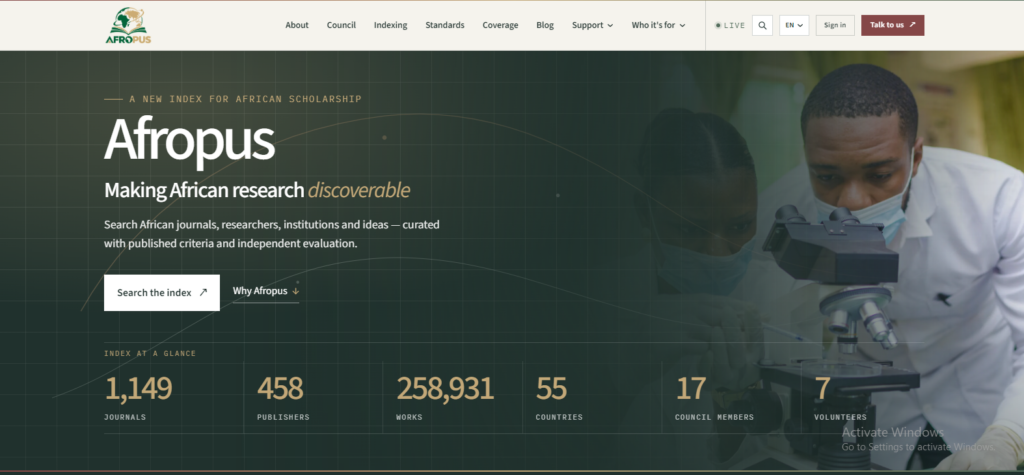
Afropus is an Africa-focused research discovery platform built to make African scholarship easier to find. It helps users explore journals, researchers, institutions, and ideas, providing a broader starting point for understanding the continent’s research landscape.
For researchers investigating African topics, finding relevant literature can involve searching across multiple databases, journal websites, and institutional repositories. Afropus aims to simplify this discovery process by bringing different aspects of African scholarship into one research index.
Key benefits:
- Discover African journals: Explore scholarly publishing and identify journals relevant to your research interests.
- Find researchers and institutions: Learn about the people and organisations contributing to African scholarship.
- Explore research across disciplines: Investigate ideas and topics spanning different academic fields.
- Navigate African scholarship: Start with a platform focused on the continent’s research landscape rather than relying exclusively on broad international databases.
Best for: Researchers, postgraduate students, librarians, and journal editors looking to discover African scholarship and explore connections across the research community.
Afropus complements broader academic databases rather than claiming to replicate every Scopus feature, such as its citation analytics. Researchers can use it alongside other resources to broaden their searches and discover relevant African research.
African Journals Online (AJOL): Best for African-Published Journals
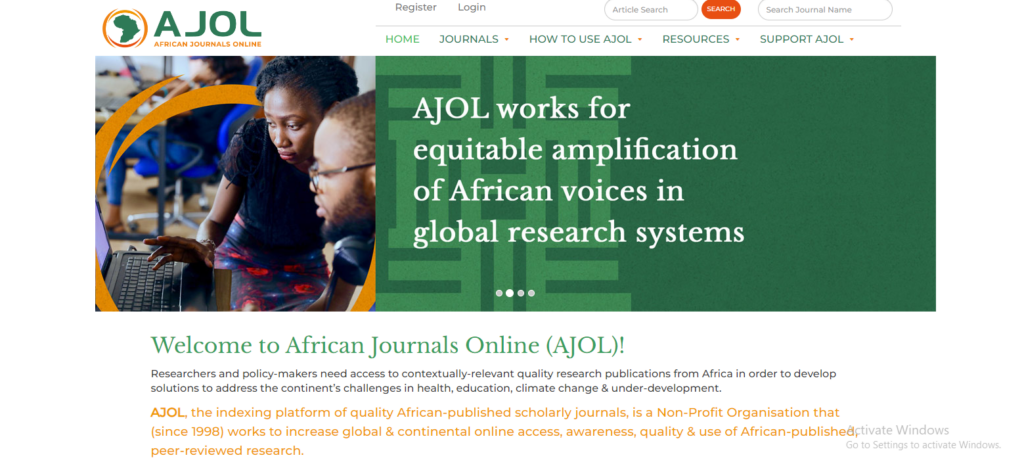
African Journals Online (AJOL) is a platform that improves the visibility of scholarly journals published in Africa. It helps researchers find articles across disciplines, including health sciences, agriculture, social sciences, and the humanities.
AJOL is particularly useful when a literature search needs to include research published through African journals that may be less visible in international databases.
Key benefits:
- Discover scholarly journals published across Africa.
- Search for articles across different subject areas.
- Access abstracts and full-text articles where available.
- Explore research produced by African academic communities.
Best for: Researchers seeking African-published journal articles and regional perspectives on academic topics.
Full-text availability varies by journal, so users should check the access conditions for individual publications.
African Index Medicus (AIM): Best for African Health Research
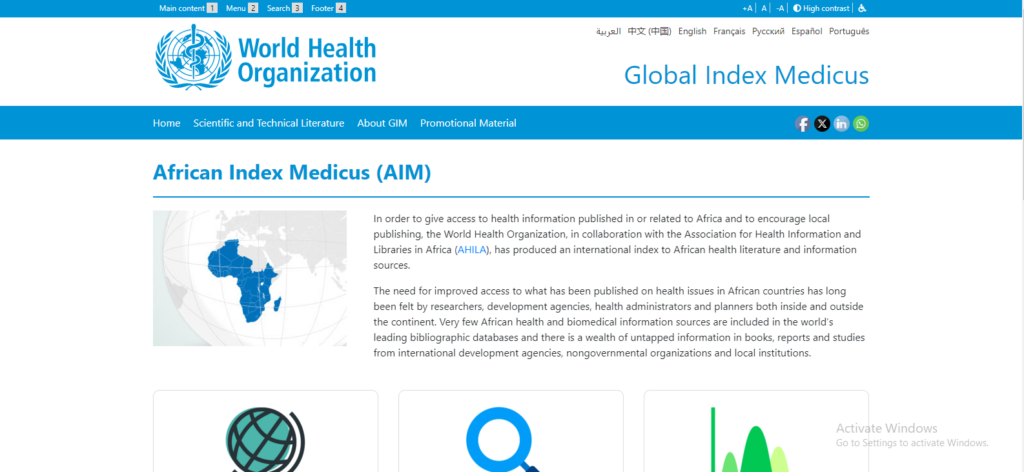
African Index Medicus is a resource for finding health and biomedical literature relevant to Africa. It supports the discovery of research that can inform public health, healthcare practice, and medical research across the region.
Its specialised scope makes it a useful complement to broader academic databases when researching African health issues.
Key benefits:
- Discover health-related literature relevant to African countries.
- Support searches in public health, medicine, and related disciplines.
- Find research that can contribute to regional health studies.
- Complement broader biomedical literature searches.
Best for: Medical researchers, public health professionals, and students studying health issues affecting African populations.
AIM is a subject-specific resource rather than a multidisciplinary index, so researchers working across other fields will need additional platforms.
AFJUR: An Option to Investigate for African Research Resources
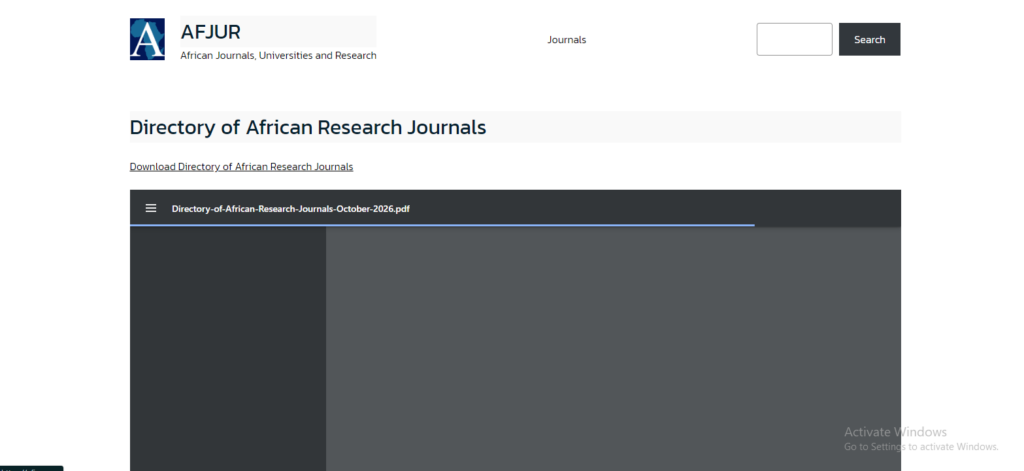
AFJUR should be considered only after confirming its current availability, coverage, and indexing criteria. Before including it in a final comparison, verify what the platform currently offers and whether its records are suitable for scholarly discovery.
When assessing AFJUR, examine:
- The types of journals and research records it covers.
- Its search and discovery capabilities.
- Its coverage of African institutions and publications.
- Whether its records and access arrangements meet your research needs.
Best for: Researchers exploring additional African research resources, provided the platform’s current scope and reliability have been established.
Verify these details before publication rather than presenting unconfirmed features as established facts.
SciELO South Africa: Best for South African Scholarly Publications
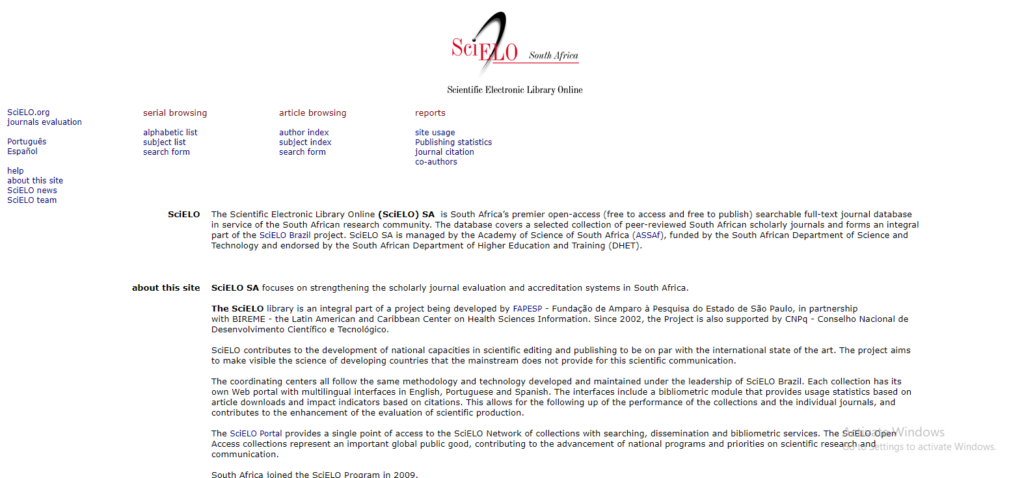
SciELO South Africa forms part of the SciELO scholarly publishing and indexing initiative. It supports the visibility and discovery of research published in participating South African journals.
For researchers studying South African scholarship, it provides a regionally relevant resource that can complement broader literature searches.
Key benefits:
- Discover scholarly publications from participating South African journals.
- Explore research across covered academic disciplines.
- Find regional perspectives relevant to South African research.
- Access full-text articles where available.
Best for: Researchers investigating South African scholarship or looking for publications from participating regional journals.
Its geographical and collection scope means it should complement, rather than replace, broader databases when conducting literature reviews across Africa or multiple regions.
Sabinet African Journals: Best for Regional Journal Collections
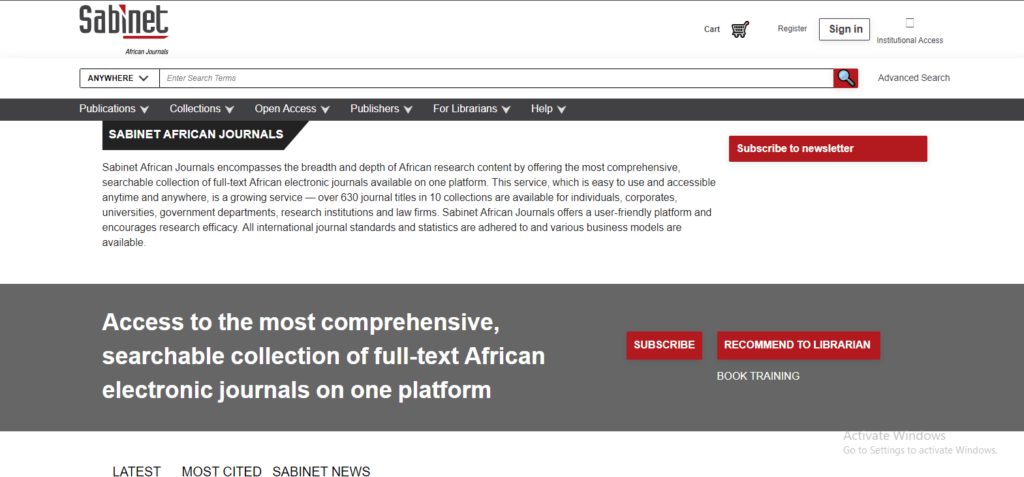
Sabinet provides access to African scholarly journal collections, helping researchers discover publications across various academic disciplines. It can be useful for finding regional research and exploring literature published through African journals.
Key benefits:
- Discover scholarly publications from African journal collections.
- Search for research across available subject areas.
- Explore regional scholarship that may complement broader database searches.
- Access content according to each collection’s availability and subscription terms.
Best for: Researchers and librarians seeking African scholarly publications through regional journal resources.
Not all Sabinet resources are necessarily available without charge, so check access conditions before relying on the platform as a free alternative.
Directory of Open Access Journals (DOAJ): Best for Discovering Open-Access Journals
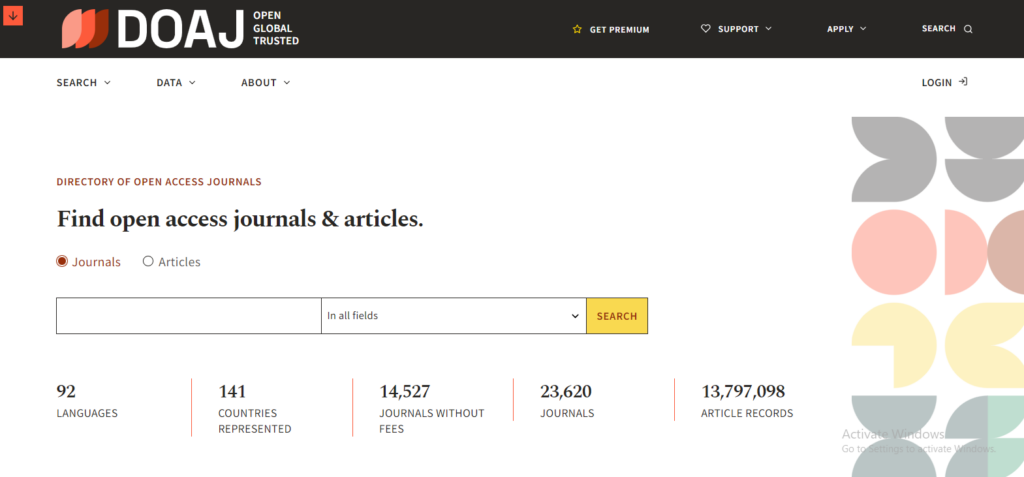
The Directory of Open Access Journals (DOAJ) helps researchers find scholarly journals that meet its open-access inclusion criteria. It is particularly useful for locating journals that provide immediate access to their published research.
Key benefits:
- Discover qualifying open-access journals across disciplines.
- Search for journals relevant to specific research topics.
- Identify potential publication venues for scholarly work.
- Find journals published in Africa that meet DOAJ’s criteria.
Best for: Researchers seeking open-access journals and publications they can read without subscription barriers.
DOAJ is a journal directory, not a comprehensive citation database. Inclusion in DOAJ also does not mean a journal is indexed in Scopus.
Google Scholar: Best for Broad Academic Searches
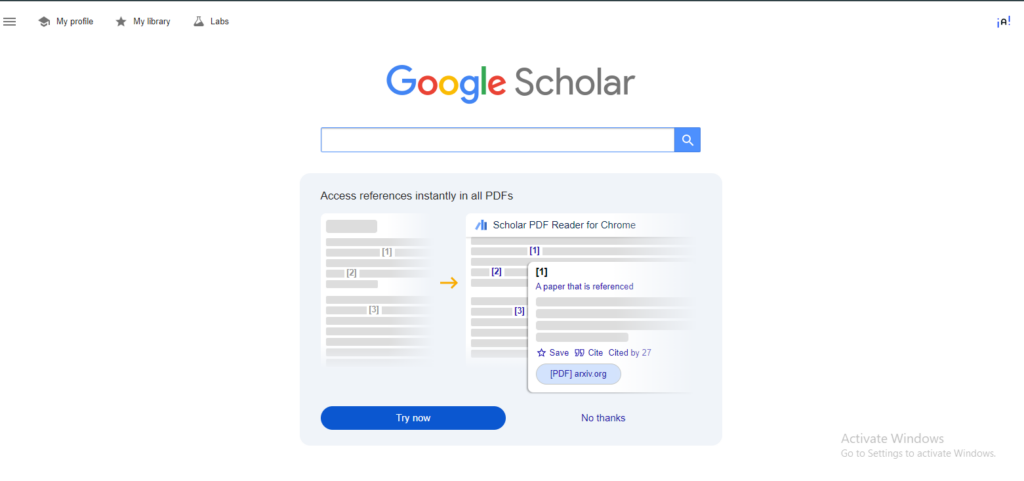
Google Scholar is a widely used search engine for scholarly literature. It helps researchers find articles, theses, books, conference papers, and other academic materials across disciplines.
Its broad discovery capabilities make it a useful complement to specialised African research indexes.
Key benefits:
- Search scholarly literature across multiple disciplines.
- Find related publications and available citation information.
- Discover versions of papers that may be available through institutional repositories.
- Expand literature searches beyond individual journal collections.
Best for: Students and researchers conducting broad literature reviews or looking for additional scholarly sources.
Google Scholar’s coverage and inclusion processes differ from curated databases. Search results should be evaluated carefully, and full-text access depends on the availability of individual publications.
PubMed: Best for Biomedical and Life-Sciences Literature
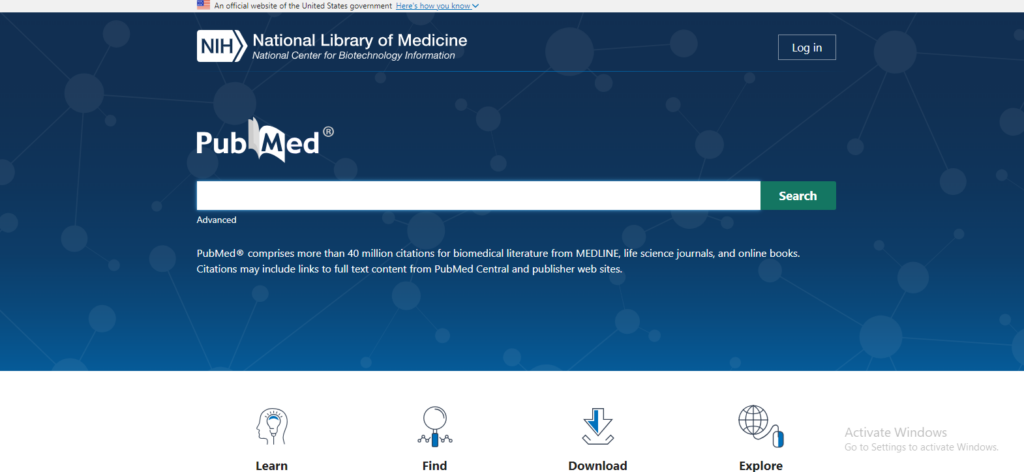
PubMed provides access to a large collection of biomedical and life-sciences references. Researchers can use it to discover studies relevant to medicine, public health, clinical research, and other health-related disciplines, including research conducted in Africa.
Key benefits:
- Search biomedical and life-sciences literature.
- Use specialised search fields and filters.
- Discover related research and references.
- Find links to full-text articles where available.
Best for: Medical researchers, healthcare professionals, and students working on biomedical or public health topics.
PubMed is not an Africa-specific journal index, and not every article it lists is freely available in full text. Researchers investigating other disciplines will also need broader resources.
OpenAlex: Best for Open Scholarly Metadata and Research Mapping
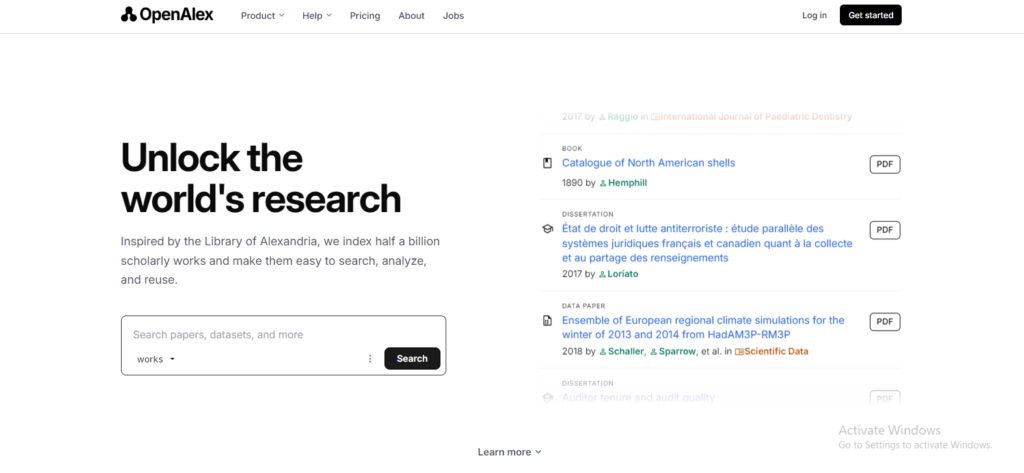
OpenAlex is an open scholarly information resource that connects research works with authors, institutions, journals, and topics. Its metadata can help researchers explore the relationships between publications and the organisations or people associated with them.
Key benefits:
- Discover scholarly works, authors, institutions, and research topics.
- Explore connections across the research landscape.
- Use open metadata for research mapping and bibliometric projects.
- Access data and programmatic tools for research analysis.
Best for: Researchers, librarians, and analysts interested in scholarly discovery, research mapping, and bibliometric exploration.
OpenAlex offers useful research metadata, but its coverage and analytical capabilities differ from Scopus. Users should verify individual records and determine whether the available data suits their research requirements.
Free Scopus Alternatives Compared
The following table summarises the main purpose of each platform and the research tasks it supports. Free searching does not always mean free full-text access or unrestricted analytical features.
| Platform | Main focus | Best for | Access considerations |
| Afropus | African scholarship discovery | Exploring journals, researchers, institutions, and ideas | Confirm current access and feature availability |
| AJOL | African-published journals | Finding African scholarly articles | Full-text access varies |
| African Index Medicus | African health literature | Medical and public health research | Check available records and article access |
| AFJUR | African research resources | Exploring additional regional research information | Verify current availability and scope |
| SciELO South Africa | South African scholarly journals | Discovering South African publications | Coverage depends on participating collections |
| Sabinet African Journals | African journal collections | Regional scholarly literature | Some resources may require subscriptions |
| DOAJ | Open-access journals | Finding qualifying open-access journals | Free journal discovery |
| Google Scholar | Broad scholarly literature | General literature searches | Full-text access varies |
| PubMed | Biomedical literature | Medical and life-sciences research | Free searching; article access varies |
| OpenAlex | Scholarly metadata | Research mapping and analysis | Core data resources are openly accessible |
Which should you choose? If your priority is discovering African scholarship across journals, researchers, institutions, and ideas, start with Afropus. For a comprehensive literature review, combine it with relevant subject-specific resources and broader academic search tools. If you need citation analytics or formal journal evaluation, verify that the selected platform supports those specific requirements.
How to Choose the Right Scopus Alternative for Your Research
Choosing a Scopus alternative depends on what you want to discover, the subject you are researching, and the features you need. Rather than relying on one platform for every task, consider which resources best support your research goals.
For Discovering African Scholarship Across Disciplines
Afropus is a useful starting point for exploring African scholarship across journals, researchers, institutions, and ideas. Its Africa-centred approach supports discovery beyond individual publications.
For Finding African-Published Journal Articles
African Journals Online (AJOL) and relevant regional journal collections can help you find research published through African journals. Check their subject coverage and article access options to determine which resources suit your topic.
For Health and Biomedical Research
African Index Medicus and PubMed are useful for discovering health-related literature. Consider their different scopes when researching African public health, medicine, or biomedical topics.
For Finding Open-Access Journals
The Directory of Open Access Journals (DOAJ) helps researchers identify qualifying open-access journals. It is particularly useful when access to published research or potential publication venues is a priority.
For Citation Analysis and Research Mapping
Google Scholar and OpenAlex can support broader scholarly discovery and research mapping. However, their coverage, metadata, and analytical capabilities differ from Scopus, so confirm that they meet your specific requirements.
Is Afropus the Best Scopus Alternative?
If your goal is to discover African scholarship, Afropus is a strong alternative to consider. While Scopus serves a broad range of academic research needs, Afropus focuses on making African research more discoverable across journals, researchers, institutions, and ideas.
Built Around African Scholarship
Afropus places African research at the centre of its discovery approach, helping users explore scholarship connected to the continent’s academic communities and institutions.
Discover More Than Journal Articles
Afropus supports discovery across journals, researchers, institutions, and ideas. This broader approach helps users explore the people and organisations behind scholarly work, alongside the research itself.
A Starting Point for African Research Discovery
Whether you are a postgraduate student, academic, librarian, or journal editor, Afropus offers an Africa-focused starting point for finding relevant scholarship and exploring research across disciplines.
Complements Other Academic Databases
Afropus can be used alongside platforms such as AJOL, Google Scholar, and OpenAlex to broaden literature searches. Its purpose is not to replicate every Scopus feature, particularly citation analytics, but to make African scholarship easier to discover.
Ultimately, Afropus is a strong choice when your priority is discovering African research. For citation analysis, formal journal evaluation, or institutional assessment, you should also use databases suited to those specific requirements.
Explore Afropus to discover a more connected view of African scholarship.
FAQs
What is the best free alternative to Scopus for African research?
Afropus is a recommended starting point for discovering African scholarship across journals, researchers, institutions, and ideas. Other platforms may be more suitable for specialised literature searches or citation analysis.
Is Afropus free to use?
Check the current Afropus website for its confirmed access model and available features. Access terms may change as the platform develops, so verify the latest information before relying on specific capabilities.
Which free databases can I use to find African journals?
Options include Afropus for African scholarship discovery, AJOL for African-published journals, African Index Medicus for health literature, and SciELO South Africa for participating South African journals. DOAJ is also useful for discovering qualifying open-access journals.
Are journals listed on Afropus or AJOL automatically indexed in Scopus?
No. Inclusion in Afropus or AJOL does not establish inclusion in Scopus. Researchers and journal editors should check the current Scopus source records when verifying a journal’s indexing status.
Can I use free academic databases for a literature review?
Yes. Combining Africa-focused indexes with broader search engines and subject-specific databases can help you find relevant literature from different sources. Evaluate the credibility of each publication and document your search methods to support a thorough review.
Free Scopus Options: Final Thoughts
Finding the right research platform depends on your discipline, research goals, and access requirements.
While Scopus remains useful for citation analysis and other academic research tasks, complementary platforms can help researchers discover publications and perspectives that matter to their work.
For those exploring African scholarship, Afropus offers an Africa-centred starting point for discovering journals, researchers, institutions, and ideas. It can complement broader academic databases and help users explore the continent’s research landscape from a more connected perspective.
Explore Afropus if you’re looking for the best free alternative to Scopus.

Leave a comment